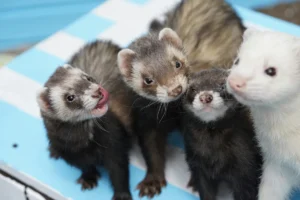
Just like humans, animals are influenced by the rhythms of nature. The shift from one season to another affects daylight, temperature, and activity levels—all of which can impact your pet’s mood, energy, and behavior. Understanding how these environmental changes influence your furry, scaly, or feathered companion can help you support their mental and physical well-being year-round.
The Role of Light Exposure
Light is one of the most powerful cues that regulates biological rhythms, including mood and sleep. Many pets, especially mammals and birds, rely on light exposure to regulate hormones such as melatonin and serotonin. When daylight hours shorten in winter, pets may become more lethargic or experience mood changes similar to what humans know as Seasonal Affective Disorder (SAD).
For example, dogs and cats exposed to less sunlight may sleep longer or show less enthusiasm for play. Birds that rely on consistent light patterns for breeding or social behaviors can also become irritable or withdrawn. According to the American Veterinary Medical Association, maintaining consistent routines and providing indoor lighting that mimics natural daylight can help stabilize your pet’s biological rhythms (AVMA).
During the darker months, try:
- Opening blinds or curtains to maximize natural light exposure.
- Using full-spectrum daylight bulbs in areas where your pet spends most of their time.
- Engaging your pet in stimulating indoor activities to counteract the tendency to rest more.
In summer, longer days can bring extra energy, but also potential overstimulation. Some pets may become restless or experience disrupted sleep schedules. Establishing consistent bedtime routines helps balance the extended daylight.
Temperature and Its Impact on Mood
Temperature shifts between seasons can influence both your pet’s comfort and mental state. Cold weather often reduces outdoor activity, which can lead to boredom or mild depression in dogs and cats that rely on walks or play for stimulation. Small animals like rabbits and guinea pigs may also become less active if their environments are chilly.
Providing warm, comfortable resting spaces and maintaining regular exercise indoors can help keep spirits high. Even reptiles, whose body temperature depends entirely on their surroundings, can show signs of stress or sluggishness if the temperature in their enclosure fluctuates too much. It’s crucial to monitor heating sources carefully during the winter months (ASPCA).
In contrast, summer brings its own set of challenges. Hot weather can lead to irritability and fatigue. Dogs and cats may become less tolerant of handling, and overheating can trigger restlessness or even aggression. Ensure they always have access to shade, cool surfaces, and plenty of water. Avoid excessive outdoor play during peak heat hours, as this can lead to dehydration or heat stress.
Enrichment Changes: Keeping Life Interesting Year-Round
Environmental enrichment is one of the best tools for maintaining your pet’s mental health through seasonal shifts. When weather limits outdoor time in the winter, mental stimulation becomes even more important. Boredom can lead to destructive behaviors or withdrawal, especially in intelligent pets like dogs, cats, parrots, and ferrets.
Try these enrichment ideas for colder months:
- Puzzle feeders: Encourage problem-solving and reward-focused play indoors. See more enrichment ideas for your pets here!
- Scent games: Hide treats around the house to engage their sense of smell.
- Training sessions: Short daily lessons can strengthen your bond and keep their mind sharp.
For pets that thrive outdoors in warmer weather, summer enrichment might include:
- Water play: A shallow pool or sprinkler can make hot days fun.
- Outdoor exploration: Supervised time in a secure yard or harness walks for cats or small animals can stimulate curiosity. More about exercise for your pets can be found here!
- Natural foraging: Scatter-safe treats or toys in grass or sand for natural digging behavior.
Each season brings opportunities to adjust enrichment activities based on temperature, light, and safety. The goal is to prevent long stretches of inactivity and provide variety that satisfies instinctual needs.
Shedding, Hormones, and Seasonal Cycles
Another way seasonal changes can affect your pet’s mood is through biological cycles like shedding and hormonal fluctuations. Many animals shed their coats in spring and fall, and this process is influenced by daylight and temperature. The extra grooming required can make some pets irritable or anxious, especially if they dislike brushing.
For intact (unspayed or unneutered) animals, reproductive hormones can also fluctuate with seasonal light cues. For instance, some reptiles, birds, and small mammals enter breeding cycles based on the length of daylight. These changes may cause mood swings or territorial behavior. Maintaining a consistent light schedule and handling them gently during these times helps minimize stress.
Seasonal Allergies and Comfort
Pets can also experience seasonal allergies, which may influence their mood. Itchy skin, runny eyes, or respiratory irritation can make an animal restless or cranky. If your pet seems unusually agitated or withdrawn during certain times of year, allergies might be a factor. Regular grooming, air filters, and veterinary consultations can reduce discomfort.
Supporting Your Pet Through the Seasons
No matter the season, paying attention to your pet’s behavioral patterns can help you detect changes early. Keep a mental (or written) log of their energy levels, eating habits, and playfulness throughout the year. Small adjustments to light exposure, temperature control, and enrichment can make a big difference in how your pet feels.
To summarize:
- Winter: Prioritize light exposure, warmth, and indoor mental stimulation.
- Summer: Focus on hydration, temperature control, and safe outdoor enrichment.
- Year-round: Observe behavior changes and adapt routines accordingly.
Seasonal awareness is an often-overlooked part of pet care. By recognizing how the environment affects your pet’s body and mind, you can help them stay happy, balanced, and resilient all year long.
References and Further Reading: